Scaling and Polishing: Why Professional Cleaning Matters
Dr. Arusha Azeem
July 9, 2026 · 8 min read
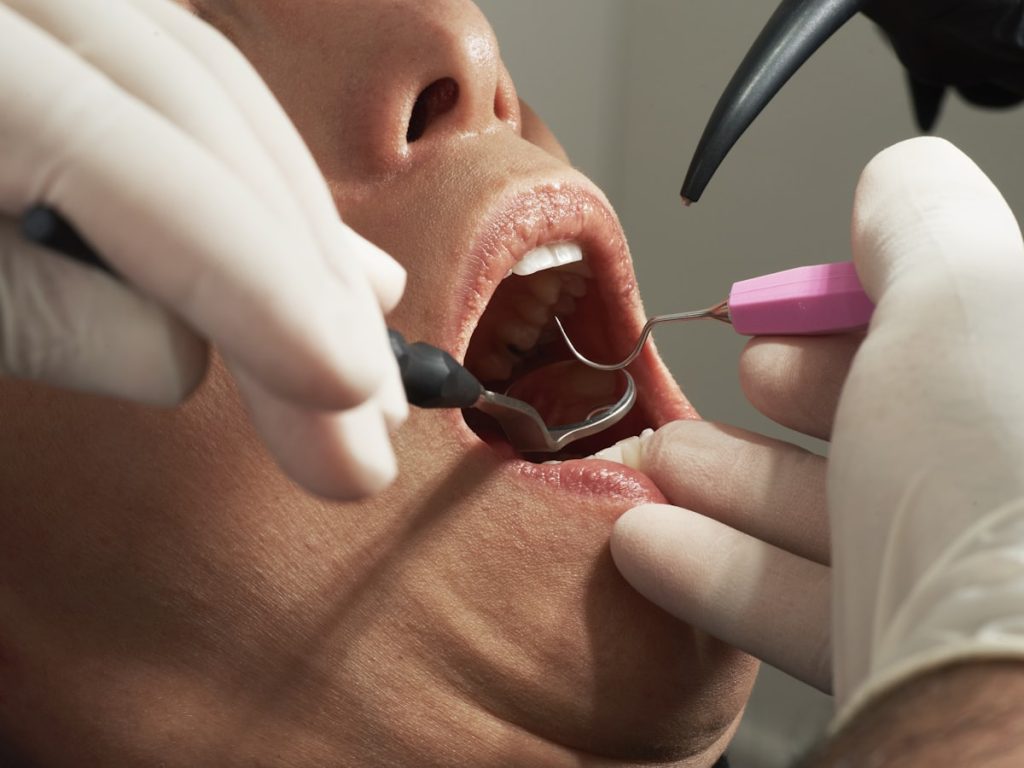
Scaling and polishing is a professional clean that removes hardened plaque (tartar) and stubborn stains your toothbrush simply can’t reach — protecting your gums, freshening your breath and keeping your smile healthy. Even the most diligent brusher benefits from it, and this guide explains exactly why, what happens during the appointment, and how often you really need it.
Why brushing alone isn’t enough
Brushing and cleaning between your teeth removes soft plaque every day — and that daily routine is essential. But any plaque that’s missed hardens into tartar within just a day or two. Once it has hardened, tartar bonds firmly to the tooth and can no longer be brushed away. To make matters worse, tartar has a rough surface that attracts even more plaque, which is precisely how gum inflammation and bad breath take hold. Only professional instruments can remove tartar safely, which is why regular cleaning is such an important partner to your home care.
What “scaling” and “polishing” actually mean
- Scaling gently removes tartar and plaque from the surfaces of the teeth and from just below the gum line, where it does the most damage.
- Polishing then smooths the tooth surface and lifts surface stains from tea, coffee and smoking, leaving your teeth feeling clean and looking brighter.
Together they give your mouth a genuine reset that your daily routine can then build on.
What to expect during the appointment
It’s a straightforward, comfortable visit. First we check the health of your gums and teeth. Then we carefully remove tartar using fine hand instruments or a gentle ultrasonic scaler, which uses tiny vibrations and a water spray to lift deposits away. Finally we polish the teeth to a smooth finish. Most people simply notice how clean and smooth their teeth feel afterwards. If your gums are inflamed or sensitive, we take extra care and work gently.
The benefits go well beyond a clean feeling
- Healthier gums that bleed less and look pinker and firmer
- Noticeably fresher breath
- Early detection of small problems — such as a starting cavity — before they grow
- A brighter smile as built-up surface stains lift away
- Better long-term protection against gum disease and tooth loss
How often do you need it?
For most people, a professional clean every six months keeps everything in great shape and pairs naturally with a routine check-up. If you’re prone to building up tartar quickly, have a history of gum problems, or smoke, we may suggest coming a little more often. We’ll always recommend a schedule that genuinely suits your mouth — never more than you need.
Making it last between visits
- Brush twice daily for two minutes and clean between your teeth every day
- Ease up on very frequent sugary and staining drinks
- Drink water through the day to help keep the mouth clean
- Don’t skip your regular check-ups, so small issues are caught early
What causes tartar to build up
Tartar starts life as soft plaque — the sticky film of bacteria that forms on teeth every day. When plaque isn’t removed within a day or two, minerals from your saliva harden it into tartar, which clamps firmly onto the tooth. Some people naturally form tartar faster than others, and it tends to gather where saliva pools, such as behind the lower front teeth. Because tartar can’t be brushed away once formed, regular professional cleaning is the only way to keep it in check.
Ultrasonic versus hand scaling
You may notice we use different instruments during a clean, and each has its place. An ultrasonic scaler uses gentle high-frequency vibrations and a fine water spray to lift larger deposits quickly and comfortably. Hand instruments then allow precise, careful removal of any remaining tartar, especially just below the gum line. Combining the two gives a thorough, gentle clean tailored to how much build-up there is.
Scaling as part of treating gum disease
For healthy mouths, scaling and polishing is preventive maintenance. Where gum disease is present, a deeper clean beneath the gum line — sometimes called root surface debridement — removes the tartar and bacteria driving the problem, giving the gums a chance to heal and reattach. Caught early and cleaned properly, gum disease is very manageable, which is one more reason not to skip regular visits.
Comfort after your clean
Most people simply enjoy the fresh, smooth feeling after a clean. If your gums were inflamed beforehand, they may be a little sensitive for a day or two as they heal — a soothing toothpaste and gentle brushing help. Any mild sensitivity to cold usually passes quickly, and healthier gums soon feel far more comfortable than inflamed ones ever did.
How often should you have a clean?
There’s no single answer, because it depends on your mouth. Every six months works well for most people and pairs neatly with a routine check-up. If you build tartar quickly, smoke, or have a history of gum problems, we might suggest coming every three or four months for a while. If your gums are healthy and stable, six-monthly is usually plenty. We’ll always base the interval on what your mouth actually needs — never on a one-size-fits-all rule.
Looking after your teeth between visits
Professional cleaning and home care work as a team. Between visits, brushing twice a day and cleaning between your teeth daily keeps soft plaque from hardening into new tartar. Easing up on very frequent sugary and staining drinks helps too, and drinking water through the day keeps the mouth fresher. The better your home routine, the less tartar builds up — and the more comfortable and quick each professional clean becomes.
Signs you might need a clean sooner
A few signs suggest it’s worth booking a clean before your next routine visit: gums that bleed when you brush, persistent bad breath, a rough or “furry” feeling on the teeth, or visible staining and build-up along the gum line. None of these are cause for alarm, but they’re your mouth’s way of asking for a little professional help. Catching them early keeps small issues from turning into bigger ones.
The long-term payoff of regular cleaning
It’s easy to see a professional clean as a one-off treat, but its real value is cumulative. Every clean removes the hardened tartar that quietly drives gum inflammation, and each visit is also a chance to catch small problems — a starting cavity, an early sign of gum trouble — while they’re still simple to deal with. Over the years, this steady, preventive care adds up to healthier gums, fewer fillings, fresher breath and teeth that are more likely to last a lifetime. Regular cleaning isn’t just about how your teeth feel today; it’s an investment in keeping them for the long haul.
Partnering with your dentist for a healthy mouth
Professional cleaning works best hand in hand with good habits at home. Think of it as a partnership: you keep plaque at bay day to day with brushing and cleaning between your teeth, and we remove the hardened deposits and stains that home care can’t reach. Together, the two keep your mouth genuinely healthy rather than just superficially clean. At each visit we’re also happy to fine-tune your technique, so your daily routine becomes even more effective.
Fresh, healthy smiles at Crescent Dental, Gatwala, Faisalabad
If it’s been a while since your last clean, our team in Gatwala, Faisalabad, would be glad to help. A check-up and professional clean is a gentle, straightforward visit that leaves your teeth feeling smooth and your gums healthier — and it’s one of the simplest things you can do for your long-term dental health. We’ll always recommend a cleaning schedule that suits your mouth, never more than you actually need.
The takeaway on professional cleaning
Scaling and polishing may be one of the simplest treatments in dentistry, but its impact is anything but small. By removing the hardened tartar and stains that brushing alone can’t shift, a regular professional clean protects your gums, freshens your breath, brightens your smile and helps your teeth last a lifetime. Paired with good daily habits at home, it forms the foundation of a genuinely healthy mouth. Whether it’s been six months or several years since your last visit, a check-up and clean is a gentle, worthwhile step — and your gums will feel the difference almost straight away. Prevention really is easier, kinder and simpler than cure.
Frequently asked questions
Is scaling and polishing painful?
It’s usually comfortable. If your gums are inflamed, there may be some mild sensitivity, and we adjust our approach to keep you at ease.
Does scaling damage or loosen teeth?
No. Scaling removes harmful tartar; it doesn’t harm the tooth itself. Teeth can feel a little different simply because they’re clean and smooth again.
How often should I have my teeth cleaned?
Every six months suits most people, though some benefit from more frequent visits. We’ll advise what’s right for you.
Will scaling whiten my teeth?
Polishing lifts surface stains, so teeth often look brighter, but scaling isn’t the same as whitening. We can discuss whitening separately if you’d like.
Can I eat normally afterwards?
Yes. You can eat and drink as usual straight away, though some people prefer to wait a short while after a stain-lifting polish.
Due a fresh start for your smile? Book a check-up and clean at Crescent Dental in Gatwala, Faisalabad — your gums will thank you for it.
Have a question about your smile?
We’re happy to help. Book a consultation or send us a message — no pressure, just friendly advice.