Dental Implants in Faisalabad: A Complete Guide for 2026
Dr. Arusha Azeem
July 9, 2026 · 8 min read
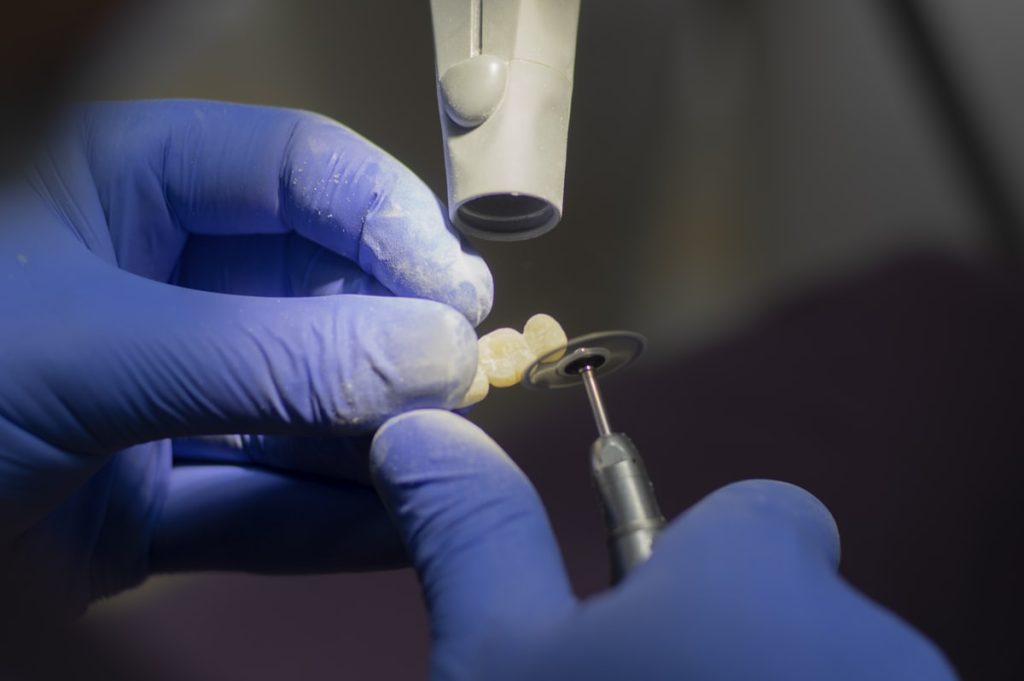
A dental implant is a small titanium post that replaces the root of a missing tooth, giving you a natural-looking, long-lasting replacement that looks, feels and functions just like your own tooth. For anyone in Faisalabad who has lost a tooth — or is facing an extraction — implants are widely regarded as the closest thing modern dentistry offers to getting a real tooth back. They don’t slip like dentures, they don’t rely on grinding down neighbouring teeth like a bridge, and with good care they can last for decades.
This complete guide walks you through everything you need to know about dental implants: how they work, who they suit, the step-by-step process, healing, aftercare, and how to choose the right dentist in Faisalabad. It’s written in plain language, with no jargon and no pressure.
What exactly is a dental implant?
An implant has three parts that work together to recreate a whole tooth. The implant post is a tiny screw-shaped piece of titanium that is placed into the jawbone, where it takes over the job of the natural root. The abutment is a small connector that sits on top of the post. Finally, the crown is the visible, tooth-shaped cap that is colour-matched to your other teeth.
What makes implants so stable is a natural process called osseointegration, in which the bone gradually grows around and fuses with the titanium post. Titanium is uniquely well tolerated by the body, so over a few months the implant becomes a solid, permanent part of your jaw. That’s why a finished implant feels so secure — you can bite into an apple, enjoy a meal with friends and laugh freely without a second thought.
Why replace a missing tooth at all?
It can be tempting to ignore a gap, especially if it’s towards the back of the mouth. But missing teeth cause quiet problems over time:
- Neighbouring teeth drift into the gap, throwing out your bite
- The tooth above or below can over-erupt, having nothing to bite against
- The jawbone in the gap slowly shrinks away when it’s no longer stimulated by a root
- Chewing becomes lopsided, and gaps can affect speech and confidence
An implant is the only tooth-replacement option that preserves the jawbone, because the post stimulates the bone just like a natural root. This is one of its biggest long-term advantages over bridges and dentures.
Who is a good candidate for implants?
Most healthy adults with one or more missing teeth are suitable. The two key requirements are healthy gums and enough jawbone to support the post. During your consultation in Faisalabad we assess both carefully, often with X-rays or a 3D scan. Some situations need a little extra planning rather than ruling implants out altogether:
- Gum disease — treated and stabilised first, so the implant has a healthy foundation
- Uncontrolled diabetes — better managed before surgery to support good healing
- Smoking — which slows healing and raises the risk of complications
- Reduced bone volume — where a small, routine bone graft can rebuild support
The encouraging news is that many patients who were told years ago that they “couldn’t have implants” can have them today, thanks to modern grafting and planning techniques.
The dental implant process, step by step
Implant treatment is a journey across a few appointments rather than a single visit — and that’s a good thing, because each stage gives your body time to heal properly and gives us time to get every detail right.
- Consultation and planning. We examine your mouth, review your health, take images and map the exact position, angle and depth for the implant. This planning stage is where good long-term results are won.
- Implant placement. The post is gently placed into the jaw under local anaesthetic. Most people are pleasantly surprised at how comfortable and straightforward this is — it’s usually easier than the extraction that may have preceded it.
- Healing (osseointegration). Over roughly two to four months, the bone fuses with the implant. A temporary tooth can often be worn during this time so you’re never left with a visible gap.
- Fitting the crown. Once the implant is fully integrated, we attach the custom crown, shaped and shaded to blend seamlessly with your natural teeth.
Single tooth, multiple teeth, or a full arch
One of the best things about implants is their flexibility. A single implant replaces one tooth without touching its neighbours. A few implants can support a bridge to replace several teeth in a row. And for people missing most or all of their teeth, as few as four well-placed implants can anchor a full, fixed set of teeth — dramatically more stable and comfortable than traditional removable dentures. We’ll recommend the simplest option that solves your particular situation.
Does it hurt?
This is the question we hear most. The placement itself is done under local anaesthetic, so the area is completely numb and you shouldn’t feel pain during the procedure. Afterwards, mild soreness or swelling for a few days is normal and easily managed with an ordinary pain reliever and a cold compress. The vast majority of our patients tell us the experience was far gentler than they had feared.
Caring for your implants
Implants can’t decay, but the gum and bone around them still need looking after — and happily, caring for them is refreshingly ordinary:
- Brush twice a day and clean between your teeth daily
- Keep up regular check-ups and professional cleaning
- Avoid using your teeth as tools (opening packets, chewing ice or pens)
- If you grind your teeth at night, a simple guard protects your investment
With this simple routine, implants can last for decades — and many last a lifetime.
How to choose an implant dentist in Faisalabad
Implants are a long-term investment in your health, so the dentist matters as much as the implant itself. Look for someone who takes the time to explain your options clearly, uses proper imaging to plan the treatment, and is honest about what you do — and don’t — need. Beware of decisions made in a rush. At Crescent Dental, our Implant & Orthodontic Centre in Gatwala, Faisalabad, we believe good implant care starts with listening, careful planning and unhurried, gentle treatment.
Implants compared with bridges and dentures
When you’re replacing a missing tooth, it helps to see how the three main options really compare. A bridge fills the gap by anchoring a false tooth to the teeth on either side — which means those healthy neighbours have to be filed down to hold it. A denture is removable and more affordable up front, but it sits on the gum, can move while eating or speaking, and doesn’t stop the underlying bone from shrinking. An implant stands alone: it replaces the root itself, leaves the neighbouring teeth untouched, and preserves the jawbone. For many people that independence and stability make implants the most comfortable and durable long-term choice.
What happens on the day of placement
Knowing what to expect takes the worry out of it. After numbing the area, we gently prepare a small channel in the bone and place the implant post — a step that’s usually quicker and calmer than patients imagine. You might feel some pressure but no sharp pain. The gum is then closed with a few small stitches, and we send you home with clear aftercare instructions. Most people return to normal activities the next day, taking care to eat softer foods and keep the area clean while it heals.
Caring for your smile while it heals
Good habits in the first week or two protect your investment. Stick to soft, cool foods at first, avoid chewing directly on the site, and keep the rest of your mouth clean as normal. Gentle salt-water rinses help keep the area fresh. We’ll see you for a quick review to check that healing is on track — and to answer any questions that have come up. This unhurried, supported approach is exactly how we like to work at our Gatwala clinic.
Frequently asked questions about dental implants
Are dental implants painful?
Placement is carried out under local anaesthetic, so you shouldn’t feel pain during the procedure. Mild soreness for a few days afterwards is normal and settles quickly with simple care.
How long does implant treatment take?
From placement to the final crown usually takes two to four months, mostly to allow the bone to heal and fuse. Some cases allow a temporary tooth on the same day so you’re never without a smile.
Are implants better than a bridge or denture?
For many people, yes. Implants preserve the jawbone, don’t rely on neighbouring teeth, and feel the most natural — which is why they’re often the healthiest long-term choice. We’ll help you weigh every option for your situation.
How long do dental implants last?
With good daily care and regular check-ups, implants routinely last for decades, and many last a lifetime.
Can I get an implant if I’ve had a tooth missing for years?
Often, yes. If the bone has shrunk over time, a small graft can rebuild enough support. A consultation and scan will tell us exactly what’s possible.
If you’re thinking about replacing a missing tooth, a friendly consultation is the best first step. We’re always happy to talk you through what’s possible — clearly, gently and with no pressure — at Crescent Dental in Gatwala, Faisalabad.
Have a question about your smile?
We’re happy to help. Book a consultation or send us a message — no pressure, just friendly advice.