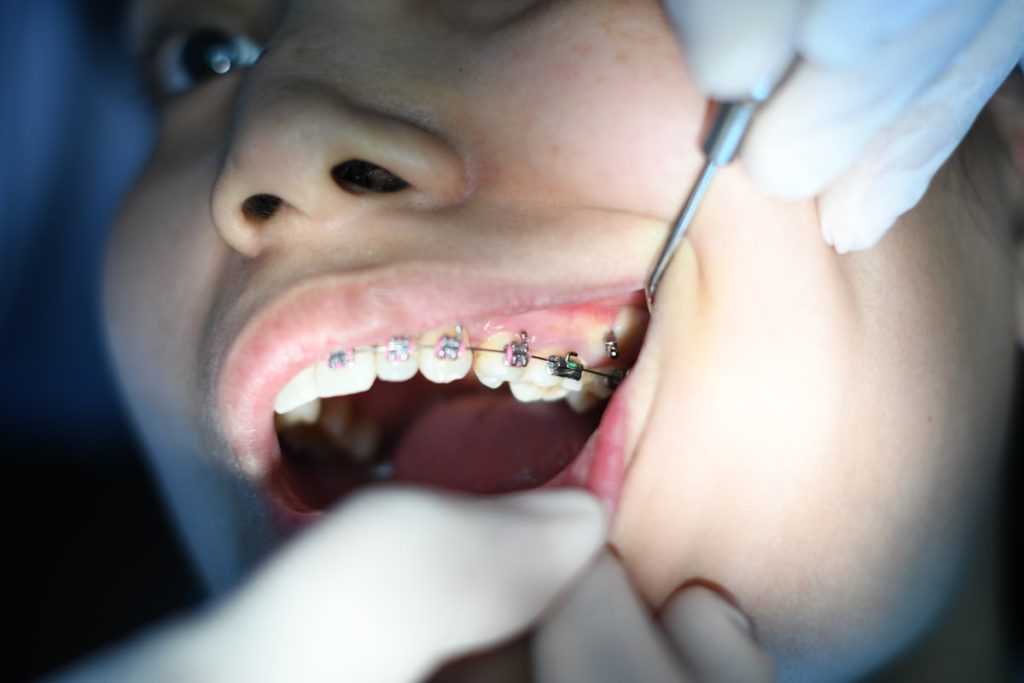
Braces don’t usually “hurt” in the way people fear — most patients describe a mild pressure or tenderness for a few days after they’re fitted or adjusted, and it settles quickly with simple care. If worry about pain is the main thing holding you back from a straighter smile, this honest guide should put your mind at ease and show you exactly what to expect at each stage.
What braces actually feel like
Here’s the reassuring part: fitting braces is completely painless. There’s no drilling and no injection — the brackets are simply bonded onto the surface of your teeth, which you won’t feel at all. Over the next day or two, as the gentle pressure begins gradually moving your teeth, you may notice tenderness, particularly when biting into something firm. Rather than a sign of anything wrong, this is proof the treatment is working: your teeth are on the move.
When are braces sore, and why?
Discomfort comes in short, predictable episodes rather than being constant:
- The first week. Your mouth is adjusting to the feel of the brackets. Any tenderness usually peaks around day two or three and then fades away.
- After adjustments. Each time the wire is changed or tightened, expect a day or so of mild pressure as the teeth respond.
- Cheek and lip rubbing. Occasionally a bracket rubs the inside of your cheek until the area naturally toughens up over a week or two.
Between these moments, most people forget they’re wearing braces at all.
Simple ways to ease discomfort quickly
The tenderness is very manageable, and a few tried-and-tested habits make the first days much easier:
- Stick to soft foods for a day or two after fitting and adjustments — think soups, yoghurt, eggs, daal, soft rice and bananas
- Rinse with warm salt water a few times a day to soothe the gums
- Use orthodontic wax over any bracket that’s rubbing a sore spot
- A cold drink, or something cool to eat, can calm things down
- An ordinary over-the-counter pain reliever works well if you need it
Does it hurt more than clear aligners?
Both braces and clear aligners create similar mild pressure whenever teeth are actively moving. Aligners have no brackets to rub the cheeks, while braces have the advantage of needing no daily discipline. In practice, comfort is rarely the deciding factor between the two — the choice usually comes down to appearance, lifestyle and the complexity of your case.
Helping children and teens through the first days
For younger patients, knowing what to expect makes a world of difference. A child who understands that a little tenderness is normal — and temporary — copes far better than one taken by surprise. We explain everything gently, send families home with orthodontic wax and soft-food ideas, and are always just a phone call away if a bracket feels uncomfortable. A calm, unhurried approach turns nervous first-timers into confident patients.
Signs you should call your orthodontist
Everyday tenderness is normal, but get in touch if you experience:
- A wire poking sharply that wax won’t settle
- A bracket that has come loose or fallen off
- Pain that is severe rather than mildly achy, or that doesn’t ease after a few days
These are usually quick and easy to fix — and we’d always rather you called than stayed uncomfortable.
Why teeth feel achy or “loose” during treatment
It can be a little alarming the first time your teeth feel slightly tender or mobile — but it’s completely normal and, in fact, a sign of success. To move a tooth, the body gently remodels the bone around its root: dissolving a little on one side and rebuilding on the other. During this natural process the tooth can feel momentarily less firm and a touch achy. As soon as it settles into its new position, the bone firms up around it again and everything feels solid. It’s biology working exactly as intended.
Foods that help — and foods to give a miss
In the tender days just after fitting or an adjustment, softer foods are your friend:
- Kind to braces: soups, daal, yoghurt, eggs, mashed potato, soft rice, bananas, well-cooked vegetables
- Best avoided: hard nuts, boiled sweets, ice cubes, sticky toffees and very chewy bread, which can bend wires or pop a bracket off
Cutting firmer foods like apples and corn off the cob into pieces also protects your brackets and keeps treatment on schedule.
How comfort changes over your treatment
The pattern is reassuringly predictable. The first week is the biggest adjustment as your mouth gets used to the brackets. After that, each routine adjustment brings just a day or so of mild pressure, and you’ll find you barely notice your braces the rest of the time. By the final months, most patients say the appliance has simply become part of daily life — and the growing sight of straighter teeth makes any brief tenderness feel well worth it.
Looking after your confidence, not just your teeth
Comfort isn’t only physical. Some people — teenagers especially — feel self-conscious in the early days. A little reassurance goes a long way: braces today are smaller and neater than ever, discreet options exist, and the “new” feeling fades within a couple of weeks. At our Gatwala, Faisalabad clinic we take time to answer questions and make every visit relaxed, so patients of all ages feel supported from the first appointment to the last.
How good cleaning keeps you comfortable
Here’s something many people don’t expect: keeping your braces and gums clean actually makes treatment more comfortable. When plaque builds up around brackets, the gums become inflamed and tender, which adds to any soreness from the teeth moving. Brushing thoroughly and using a small interdental brush around each bracket keeps the gums healthy and calm, so the only sensation you feel is the gentle, temporary pressure of the treatment itself. Clean braces are comfortable braces.
Comfort as treatment comes to an end
As you approach the final months, adjustments become smaller and the tenderness that came with them fades too. Many patients tell us the last stretch is the easiest, both because their mouth is fully used to the braces and because they can see their straighter smile taking shape. When the braces finally come off, there’s no discomfort at all — just the pleasant, slightly unfamiliar feeling of smooth teeth, quickly followed by your first look in the mirror.
A realistic timeline of comfort
It helps to picture the whole journey rather than just the first day. When your braces go on, the fitting itself is painless; over the following two to three days you’ll feel some tenderness as your teeth begin to move, then it fades. After each routine adjustment, expect a similar short spell of mild pressure — usually a day, occasionally two. Between these moments, you’ll largely forget the braces are there. As treatment nears the end, adjustments get smaller and any tenderness lighter. When the braces finally come off, there’s no discomfort at all — only the pleasant surprise of smooth teeth and a straighter smile.
How we support nervous patients
If you or your child feel anxious about discomfort, that’s completely understandable — and it’s something we’re used to helping with. We explain each step before we do it, work gently, and never rush. You’ll go home knowing exactly what to expect, with orthodontic wax for any rubbing and simple soft-food suggestions for the first couple of days. And we’re always just a phone call away if anything feels uncomfortable between visits. For many patients, that reassurance turns out to matter as much as the treatment itself.
Comfortable orthodontics at our Gatwala clinic
At Crescent Dental in Gatwala, Faisalabad, comfort isn’t an afterthought — it’s built into how we work. Modern, smaller braces, careful technique and an unhurried, friendly manner all help keep every visit relaxed. Whether it’s your first set of braces or a child’s, we take the time to make the experience calm and positive. If nerves about pain have been holding you back from a straighter smile, come and talk to us; you’ll likely find there was far less to worry about than you thought.
Frequently asked questions
How long does the soreness last?
Usually two to three days after fitting or an adjustment, then it settles on its own.
Can I take painkillers with braces?
Yes, an ordinary over-the-counter pain reliever is perfectly fine for the first few days if you need it.
What if a wire is poking me?
Cover the end with orthodontic wax and give us a call — a quick, simple adjustment sorts it out.
Will braces stop me eating normally?
Only for a day or two after fitting and adjustments, when soft foods are more comfortable. Otherwise you just avoid very hard and sticky items.
Do braces hurt the whole time I wear them?
No. Discomfort comes only in short spells around fittings and adjustments; most of the time you’ll barely notice them.
If nerves about discomfort are the only thing stopping you from a straighter smile, come and talk to us. We’ll walk you through exactly what to expect, gently and honestly, at Crescent Dental in Gatwala, Faisalabad.
Have a question about your smile?
We’re happy to help. Book a consultation or send us a message — no pressure, just friendly advice.