Clear Aligners vs Braces: How to Choose the Right Treatment
Dr. Arusha Azeem
July 9, 2026 · 9 min read
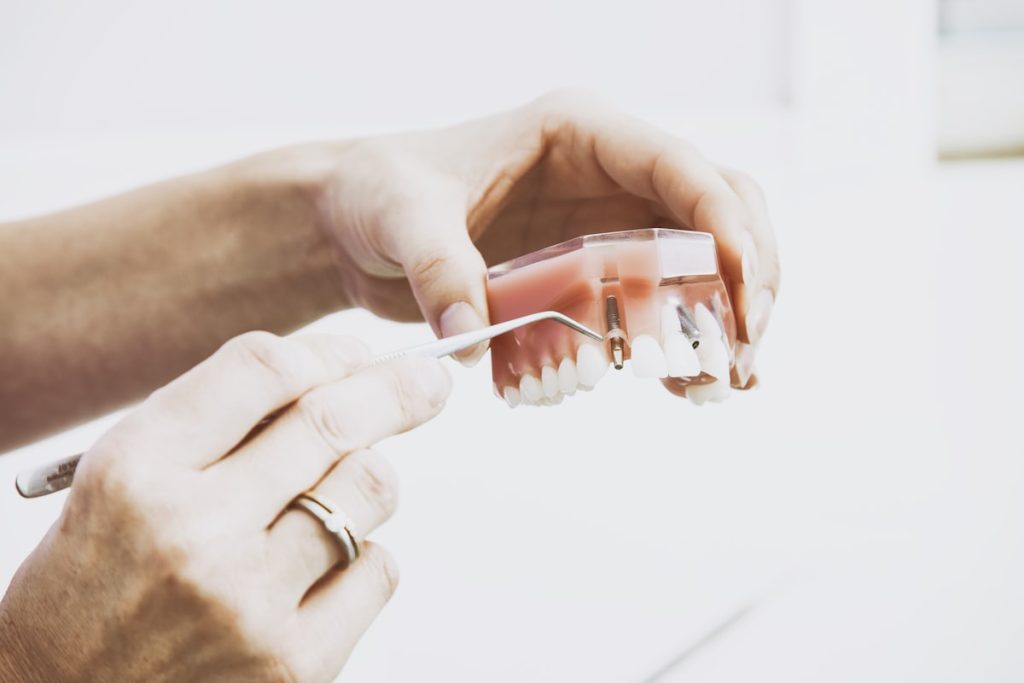
Both clear aligners and braces straighten teeth beautifully — the right choice comes down to your teeth, your lifestyle and what you feel comfortable wearing every day. If you’re weighing up the two options in Faisalabad, this guide breaks down the real, practical differences so you can decide with genuine confidence rather than guesswork.
There’s no single “best” appliance for everyone. The best one is the treatment that fits your case and that you’ll actually use consistently. Let’s look at how each works and where each one shines.
How each treatment works
Braces use small brackets bonded to the front of your teeth, connected by a thin wire. Adjusting the wire applies gentle, continuous pressure that guides your teeth into their ideal positions over time. Clear aligners take a different route: they’re a series of custom-made, removable clear trays, each one shaped slightly differently so that wearing them in sequence nudges your teeth, stage by stage, towards the final result. Both are proven, well-established methods used by orthodontists all over the world.
Appearance: how noticeable is each?
For many adults and older teens, appearance is the deciding factor. Clear aligners are nearly invisible — most people won’t notice you’re wearing them, which is why they’re so popular for work and social life. Braces are far smaller and neater than the bulky metal of years past, and if you’d prefer braces but want them subtle, ceramic (tooth-coloured) brackets blend in nicely against the teeth.
Comfort and everyday convenience
- Aligners are smooth, with no brackets or wires to rub the cheeks. Because they’re removable, you take them out to eat, brush and floss — so there are no food restrictions and cleaning is easy.
- Braces are fixed in place, which means there’s nothing to remember to put back in. In return, you’ll avoid very hard or sticky foods and spend a little more time cleaning carefully around the brackets.
Both can feel tender for a day or two after they’re fitted or adjusted — that mild pressure is simply a sign your teeth are moving as intended.
The discipline factor
This is the honest heart of the decision. Aligners only work if you wear them around 20 to 22 hours a day, removing them only to eat and clean your teeth. For motivated patients this becomes second nature. But if you think you might forget to put them back in — or you’ll be tempted to leave them out — fixed braces quietly get on with the job without relying on willpower. During your consultation we’re honest about this, because there’s no point choosing the “nicer” option if it won’t be worn.
Cleaning and oral health
With aligners, you remove the trays and brush and floss exactly as normal, which makes keeping your mouth healthy straightforward. With braces, you’ll learn to clean thoroughly around the brackets and wires using a small interdental brush; it takes a little more time but quickly becomes routine. Whichever you choose, good cleaning throughout treatment protects your teeth and gums so that your new smile is a healthy one.
Treatment time and complexity
For mild to moderate crowding and spacing, aligners and braces often finish in a broadly similar timeframe. For more complex bite corrections or teeth that need significant rotation, braces sometimes have the edge, because they’re fixed and working every moment and allow very precise, controlled movements. Every mouth is different, which is why a proper hands-on assessment matters far more than any general rule of thumb.
Which is right for you?
As a simple starting guide:
- Lean towards aligners if discretion and flexibility matter most to you, and you’re confident you’ll wear them consistently.
- Lean towards braces if you’d prefer a fit-and-forget option, or if your case involves detailed corrections that benefit from fixed appliances.
At Crescent Dental in Gatwala, Faisalabad, we assess your teeth carefully and talk through both routes in plain language — then you decide what feels right for your life. There’s never any pressure to pick one over the other.
What each treatment is really like day to day
Numbers and features only tell part of the story — daily life is where the difference is felt. With aligners, your morning routine gains a couple of small steps: you take the trays out to eat, brush before popping them back in, and rinse them through. Many people slip into this rhythm within a week. With braces, there’s nothing to remember day to day, but meals need a little thought — cutting harder foods into pieces and cleaning carefully afterwards. Neither is difficult; they simply ask for different small habits.
Keeping your mouth healthy during treatment
Whichever path you choose, protecting your teeth and gums throughout is essential, because a straight smile should also be a healthy one. Aligner wearers brush and floss completely normally with the trays out, which is a real advantage. Brace wearers use a small interdental brush to clean around each bracket and along the wire. We show every patient exactly how to keep things spotless, and your review appointments are a chance for us to check that your gums stay pink and healthy the whole way through.
Retainers: protecting your new smile for life
Here’s something people often don’t realise until the end: teeth naturally like to drift back towards where they started. That’s why both braces and aligners finish with a retainer — a simple appliance, worn as advised, that holds your results in place. Think of it as the final, easy step that locks in months of good work. We’ll explain your retainer clearly so your straighter smile lasts for years to come.
Common myths, cleared up
A few myths cause needless worry. Aligners are not only for tiny corrections — modern systems handle a wide range of cases. Braces are not just “for children” — adults make up a large and growing share of orthodontic patients. And neither option means constant pain; the mild pressure when teeth move is temporary and easily managed. The honest truth is that both are excellent, well-proven treatments, and the best one is simply the one that fits your case and your life.
Who is each option best suited to?
While both treatments are versatile, a few patterns can help you picture where you fit. Clear aligners are often a natural choice for working adults and older teenagers who value discretion, are self-disciplined about wearing them, and have mild to moderate crowding or spacing. Fixed braces frequently suit younger patients, anyone who would rather not rely on remembering to wear a removable appliance, and more complex cases that call for precise, detailed tooth movements. That said, these are guides, not rules — plenty of adults choose braces and plenty of teens do brilliantly with aligners.
What happens at your first consultation
The best way to choose is a proper assessment, and there’s nothing to feel nervous about. At your first visit we listen to what you’d like to change, examine your teeth and bite, and often take a few images or a scan so we can show you what’s happening in your mouth. We then explain which options would work for you and what each would involve — honestly and without pressure. You leave with a clear picture and the time to decide what feels right, rather than being rushed into anything on the day.
How your treatment progresses over time
Whichever option you choose, orthodontic treatment is a gradual, steady journey rather than an overnight change — and understanding the rhythm of it helps you feel in control. In the early stage, the most visible crowding or spacing begins to improve, which is wonderfully motivating. In the middle stage, the finer detail is refined: the bite is balanced, individual teeth are rotated into place, and the arches are shaped. In the final stage, small finishing touches perfect the result before the appliance comes off. With aligners you’ll move through a numbered series of trays; with braces you’ll progress through gentle wire changes. Either way, each appointment builds on the last, and your smile improves visibly month by month.
Getting the most from your appointments
A little involvement on your part makes treatment smoother and often quicker. Wearing aligners for the recommended hours, avoiding foods that damage braces, keeping your teeth and appliance clean, and attending your review visits all keep everything on schedule. If something feels off — a tray that doesn’t fit quite right, or a bracket that has come loose — telling us early means a quick, simple fix rather than a delay. We see treatment as a partnership: we bring the expertise and planning, and your good habits bring the results to life.
Your orthodontic care at Crescent Dental, Gatwala, Faisalabad
Choosing where to have your treatment matters just as much as choosing between aligners and braces. At our Implant & Orthodontic Centre in Gatwala, Faisalabad, we take the time to assess your smile properly, explain your options in plain language, and let you decide without any pressure. Led by Dr. Arusha Azeem, our approach is gentle, unhurried and honest — the kind of care we’d want for our own family. If you’re weighing up aligners and braces, a friendly consultation is the perfect place to start.
Frequently asked questions
Do clear aligners work as well as braces?
For most everyday cases, yes. For certain complex movements, braces can be more efficient. An orthodontic assessment will tell you which option suits your particular smile.
Are aligners more comfortable than braces?
Many people find aligners smoother because there are no brackets to rub the cheeks. Both cause mild pressure when the teeth are moving, which is a normal and temporary sign of progress.
Can adults get either treatment?
Absolutely. Teeth can be moved at almost any age, and adult orthodontics is more popular than ever — both aligners and braces work well for adults.
How do I keep my teeth from moving back afterwards?
After either treatment you’ll wear a retainer. Retainers hold your new smile in place and are an essential, easy part of keeping your results for life.
Which is easier to keep clean?
Aligners, because you remove them to brush and floss normally. Braces are very manageable too — they just need a little extra care around the brackets.
Not sure which path fits you best? A short, friendly consultation is the easiest way to find out. We’d be glad to talk it through at Crescent Dental in Gatwala, Faisalabad.
Have a question about your smile?
We’re happy to help. Book a consultation or send us a message — no pressure, just friendly advice.